
Wild Mushrooms and Dogs: Safety Tips Every Dog Owner Should Follow
Are Mushrooms Toxic to Dogs? What Every Pet Parent Needs to Know
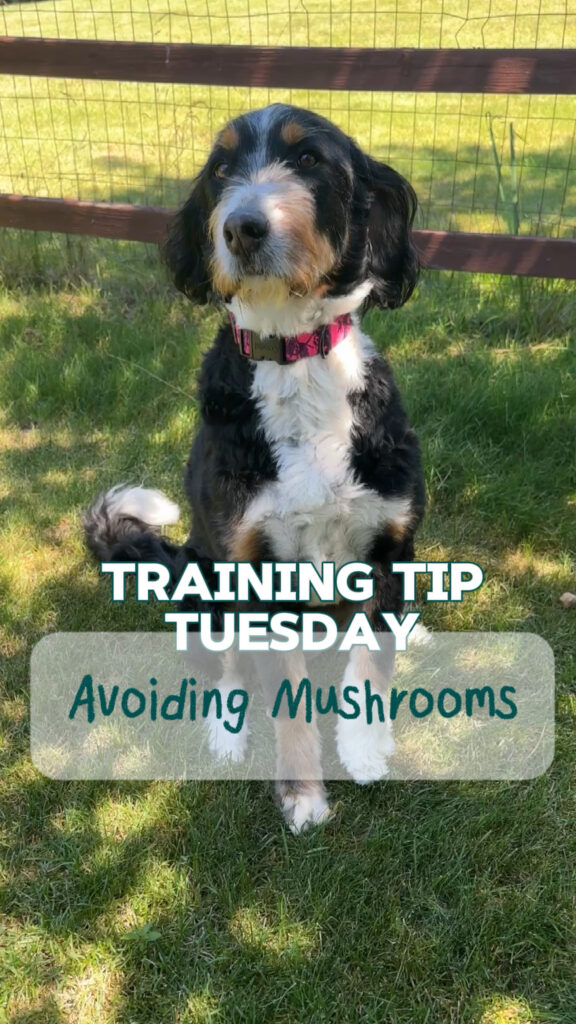
Training Tip Tuesday
Many dog owners enjoy walks through parks, forests, or even their own backyard without thinking twice about the mushrooms growing underfoot. But some of those innocent-looking fungi can pose a real risk to curious pups.
While the mushrooms you buy at the grocery store are generally considered safe for dogs in small amounts, wild mushrooms are a different story. Certain species can cause anything from mild stomach upset to serious health problems.
Here’s what every dog parent should know.
Why Wild Mushrooms Can Be Dangerous for Dogs
Dogs explore the world with their noses and mouths. That means they’re more likely than we are to investigate (and sometimes eat) mushrooms they find outdoors.
Not every wild mushroom is dangerous, but some common varieties can be toxic. The problem is that it’s extremely difficult for the average person to tell the safe ones from the harmful ones just by looking. Even experienced foragers can make mistakes.
Because of this uncertainty, the safest approach is simple: treat all wild mushrooms as potentially toxic to dogs.
Common Safety Tips for Dog Owners
Here are practical steps you can take right away:
- Supervise outdoor time – Keep an eye on your dog during walks, especially in wooded areas, grassy parks, or damp spots where mushrooms thrive.
- Remove mushrooms from your yard – If you spot any growing in your lawn or garden, pull them up promptly (wear gloves) and dispose of them where your dog can’t reach them.
- Train a solid “leave it” cue – This is one of the most useful commands for preventing your dog from picking up unknown items, including mushrooms.
- Know what to do if your dog eats one – Contact your veterinarian or a pet poison hotline right away. Don’t wait for symptoms to appear. Time can matter.
What to Watch For
If your dog has eaten a wild mushroom, possible signs can include vomiting, diarrhea, lethargy, or more concerning changes in behavior. Because different mushrooms affect dogs differently, it’s always best to get professional advice rather than trying to diagnose at home.
Grocery Store Mushrooms vs. Wild Ones
Store-bought varieties like white button, cremini, or portobello mushrooms are typically fine for dogs in small, plain amounts (no seasoning, butter, or onions). They’re not a necessary part of a dog’s diet, but they’re not considered toxic either.
The real concern is almost always the mushrooms growing outdoors.
Final Takeaway
Your dog’s curiosity is part of what makes them wonderful — but it also means we have to stay one step ahead when it comes to potential hazards like wild mushrooms.
A little awareness goes a long way. Keep an eye on the ground during walks, clear your yard when needed, and reinforce that helpful “leave it” cue.
See you next Tuesday for another Training Tip!
What dog safety or training topic would you like us to cover next? Drop a comment below and let us know.
 Next Post